
Knowing why you drink is essential, says Cyndi Turner, LCSW, LSATP, MAC, a Virginia therapist specializing in addiction treatment and alcohol moderation. Understand that setbacks may occur, and it’s essential to treat yourself with the same compassion you would offer a friend. If you have a slight relapse, immediately reach out to your support system for help. Some people have even used up to 5,000 mg per day, but care should be taken to avoid side effects.
Health Conditions
There are quite a few FDA-approved drugs for alcohol addiction treatments. ” Nothing can make you “stop” drinking, however, Vivitrol (naltrexone in shot form) is administered once https://aioulearning.com/1-3-advantages-of-corporations-business-libretexts/ per month and can help with managing triggers and cravings. Selective serotonin reuptake inhibitors (SSRI) antidepressants for alcohol and drug treatment are also common. Prolonged substance use alters brain chemistry, affecting neurotransmitters that regulate mood and pleasure.
Other Frequently Asked Questions About Naltrexone
The key to long term sobriety and controlling alcohol urges is developing coping strategies for alcohol addiction. During the detox process, physical and psychological alcohol cravings can peak. A supervised detox from alcohol ensures safety and comfort while managing withdrawal symptoms. Post-detox, cravings may still occur, but programs like behavioral therapy for alcohol addiction and cognitive behavioral therapy (CBT) can provide valuable coping mechanisms. This approach is based on the understanding that our thoughts, feelings, and behaviors are all interconnected. In terms of cravings, it could involve identifying triggers, developing distraction techniques, and practicing mindfulness.
Long-Term Support to Prevent Relapse
- Alternatively, if you continue to encounter triggers or they worsen, you might need to consider making changes to your environment.
- The human brain is wired from birth to reward and reinforce behaviors that benefit us—including eating, sex, and socializing.
- Fruits and vegetables provide essential vitamins and fiber, helping maintain stable blood sugar levels and supporting overall mental health.
- A variety of natural methods may make it easier for you to cope with the effects of your withdrawal symptoms.
Below, we’ll explore why cravings happen and offer a few tips to manage them, from in-the-moment techniques to long-term coping strategies. The program provides an urge tracker, which is a great way to monitor and manage your urges as they come and go. And you’ll be able to see your progress in dealing with them as they lessen over time. The two main causes of alcohol cravings can be explained by the incentive and tolerance models. In other words, wanting to feel good, and wanting to avoid negative consequences. Naltrexone blocks the pleasurable effects of drinking alcohol and reduces cravings, which can help reduce the chance of lapsing/relapsing.
- Everyone’s timeline is unique, and cravings usually lessen over time.
- These can all make relapse more likely if you don’t have a plan in place to manage symptoms.
- A nutritious diet that provides the body with the nutrients it needs to function optimally may help with alcohol cravings.
Avoid eating too much white flour, strong condiments, meat, and sugar. Include lots of fruit juice in your diet, because it can control the craving for consuming hard alcohol. This herb is an excellent home remedy for treating liver diseases caused by alcoholism. This herb enhances liver functions, along with repairing the damage caused to the liver. More popular as a liver tonic, milk thistle has the active ingredient of silymarin, which can repair the damage caused by alcohol or drug addiction, hepatitis, and other toxins.
It also goes over how to manage cravings, both in how to stop alcohol cravings the short term and the long term. Alcohol cravings can be a sign of withdrawal, especially if you have an alcohol dependency. They tend to occur alongside other withdrawal symptoms such as anxiety, irritability and physical discomfort. However, if your cravings are frequent, intense or uncontrollable, they might indicate alcohol addiction. Up to 75 percent of people in alcohol recovery will experience PAWS to one degree or another.

How to Stop Alcohol Cravings
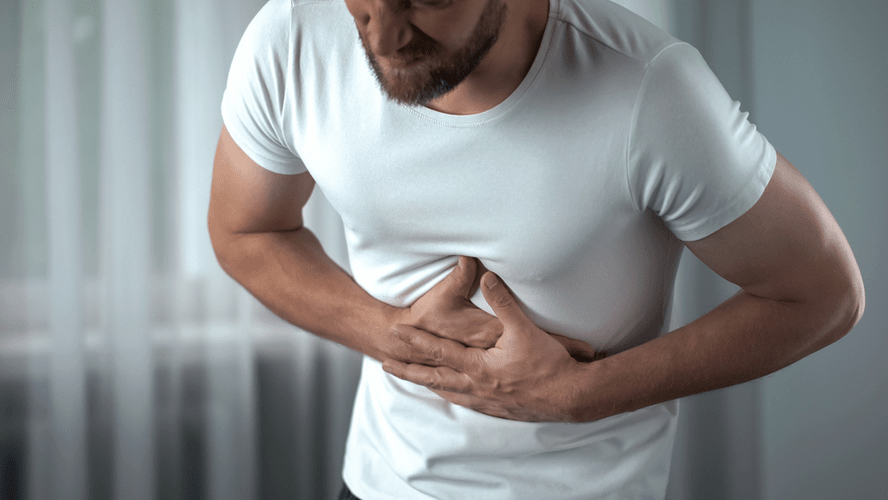
Firstly, Mindfulness is a mental state achieved by focusing one’s awareness on the present moment, while calmly acknowledging and accepting one’s feelings, thoughts, and experiences. With practice, these techniques can increase self-awareness and provide a more nuanced understanding of one’s cravings, making it easier to manage them. It’s important to note that the cravings are not merely a matter of willpower. Prolonged alcohol use causes physical changes in the brain that intensify the desire for alcohol. When the brain becomes accustomed to alcohol’s effects on neurotransmitters—chemical messengers like dopamine and GABA—it needs more of it to get the same effect.
Reframe vs Sunnyside: Which Mindful Drinking App?
Most individuals with alcohol use disorder experience cravings from time to time. Despite this common phenomenon, there isn’t one set definition of what a craving feels like. This is partly because cravings are experienced slightly differently for each individual. One way to define a craving is the sensation of a general ‘need’ for alcohol, in the same way one feels hunger before eating. This sensation can vary in intensity and can be characterized by withdrawal-like symptoms such as restlessness and nausea.
Some people also develop post-acute withdrawal syndrome (PAWS),6 in which intense cravings can last up to 2 years. Breaking regular drinking habits can help you avoid alcohol cravings. It also helps untether your brain’s association of certain times of the day, places, and friend groups with the act of drinking. Many people struggling with alcohol use disorder report intense cravings as a main reason for relapse.
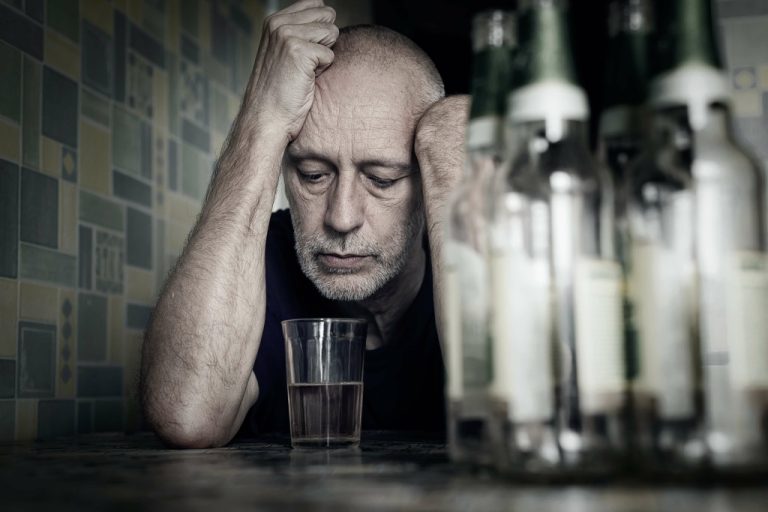
Telehealth services are among the easiest methods to seek help for fighting cravings and alcohol addiction. In addition to having specialized support groups, these services also provide regular therapy sessions and round-the-clock access to certified clinicians. Most people don’t notice how certain situations can trigger their urge to drink. For example, if you used to drink to cope with stress, difficult situations may trigger the thought of drinking. A person who experiences alcohol cravings does not necessarily have alcohol use disorder. Instead, a habit loop of cues, behaviors, and rewards may be causing the cravings.
Inpatient Drug and Alcohol Rehab with Detox Near Seattle, WA
However, if you find you need more support, traditional medicine is an option. If you or a loved one struggles with alcoholism, there is no better time to get help than now. Finding a professional detox center can be the step you need to succeed in sobriety. The team at Oxford House Northpoint Colorado knows how important it is to be in a caring, supportive environment as you take the first steps on the road to recovery. Contact us today to learn more about alcohol detox and rehab and how we can help.